
For decades after the discovery of Ebolavirus in 1976, outbreaks of the disease were relatively small and contained, affecting a few hundred people at most.
Not any more.
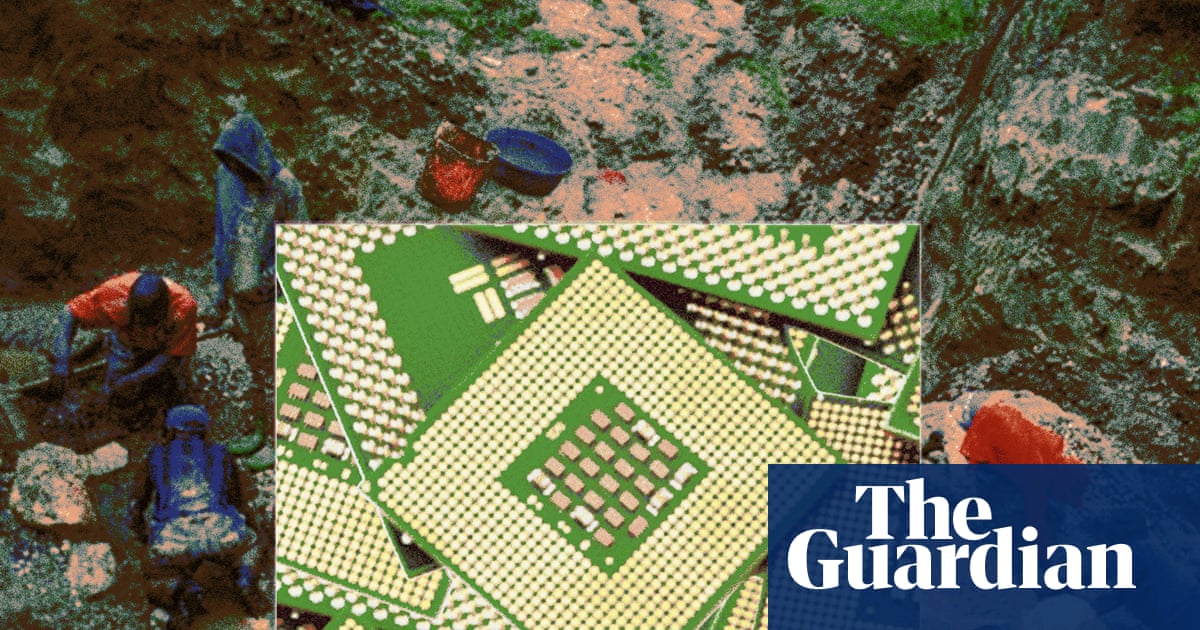
The conventional explanation has to do with the larger and more interconnected human populations that pathogens can access. But there’s a more fundamental driver: the transformation of the underlying ecology of Ebola, which is being re-made, in part, by the rising global hunger for minerals to power the hi-tech economy.
Most of the time, viruses such as Ebola live quietly in the bodies of their animal hosts, widely understood to be bats, causing them little or no harm.
But cutting down the trees in which bats live ruptures this delicate balance between Ebola-carrying animals and humans. The bats don’t just vanish when their trees are gone. They squeeze into the fragments of forest that remain, in closer proximity to humans, increasing the likelihood of encounters in which humans are exposed to their viral-laden blood, saliva and excreta. That’s why, with each per cent increase in deforestation in Central Africa, as a 2025 analysis found, the incidence of malaria and Ebola spikes by 20% to 40% .