If the solar panel don’t have grid failure shutdown for its inverter, it can shock (or with bad luck) kill workers working on a downed power line assuming the load side is safe. That is also why house installations also often only have a dedicated outlet during power loss and are not allowed to connect to the full house.
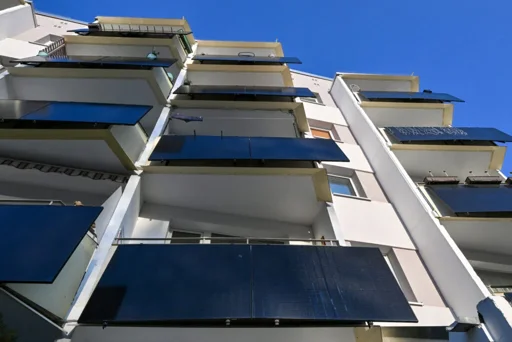
I agree everyone should be able to get off-grid solar system or balcony solar, but they should have to be certified to not shock workers during an outage when people inevitably get cheap TEMU balcony solar.
And panels are the cheap part. Going from expensive to cheap for a full solar setup is going to be battery > inverter > panels. So wouldn’t be surprised if some DIY people may consider skimping on inverters that can actually protect the grid.
Another potential issue is the possibility of overloading a circuit if these are used incorrectly. Basically, having enough load on the same circuit as too many of these panels would cause over current that is not seen by the upstream breaker. That’s probably an unlikely circumstance but something to be aware of and to design controls to prevent.
Good points. I’ll also admit I have a fear of electricity so I’d totally be scared. But my local utilities are not saying this because they are worried about our well being, they are worried about making less money.
I hear that. Their concern trolling can look or sound right on the surface (“worker safety is our top priority!”) and still be disingenuous af.
They know just as well as we do that we have the knowledge and skills to make safe, cost effective, and accessible solar panels and batteries for homes. There are tons of real-world examples already that we can learn from, refine for our particulars, and use just by looking at Europe and Southeast Asia. There’s a safety standard/framework for plug-in solar that’s already been published for the US, UL 3700. (It’s been out for six months now!)
Any “discussions” about how to make plug-in solar safe for North American users are kvetch sessions for nervous executives clutching their pearls.
Well they are correct to a point.
If the solar panel don’t have grid failure shutdown for its inverter, it can shock (or with bad luck) kill workers working on a downed power line assuming the load side is safe. That is also why house installations also often only have a dedicated outlet during power loss and are not allowed to connect to the full house.
I agree everyone should be able to get off-grid solar system or balcony solar, but they should have to be certified to not shock workers during an outage when people inevitably get cheap TEMU balcony solar.
And panels are the cheap part. Going from expensive to cheap for a full solar setup is going to be battery > inverter > panels. So wouldn’t be surprised if some DIY people may consider skimping on inverters that can actually protect the grid.
Another potential issue is the possibility of overloading a circuit if these are used incorrectly. Basically, having enough load on the same circuit as too many of these panels would cause over current that is not seen by the upstream breaker. That’s probably an unlikely circumstance but something to be aware of and to design controls to prevent.
Good points. I’ll also admit I have a fear of electricity so I’d totally be scared. But my local utilities are not saying this because they are worried about our well being, they are worried about making less money.
I hear that. Their concern trolling can look or sound right on the surface (“worker safety is our top priority!”) and still be disingenuous af.
They know just as well as we do that we have the knowledge and skills to make safe, cost effective, and accessible solar panels and batteries for homes. There are tons of real-world examples already that we can learn from, refine for our particulars, and use just by looking at Europe and Southeast Asia. There’s a safety standard/framework for plug-in solar that’s already been published for the US, UL 3700. (It’s been out for six months now!)
Any “discussions” about how to make plug-in solar safe for North American users are kvetch sessions for nervous executives clutching their pearls.