Sustainable aviation fuel doesn’t need to come from biomass feedstocks (even if those are by far the most popular). There are pathways for purely synthetic hydrocarbon production, but most sustainable fuel comes from organic sources (crops, organic waste, or fossil fuel sources). Even some of the synthetic methods tend to still get stuff like syngas from processing coal or natural gas.
Still, developing the processes and the scale to bring prices down is important, and can be built upon with an eye towards replacing the biofuel feedstocks with CO or CO2 feedstocks, and can still spur on demand for more renewable energy (without the risk of the return on investment collapsing).
Yes, but those synthetic fuels approaches are far more costly than fossil fuels. Currently around $45/gallon, might be able to do $15/gallon at greater scale and with technical improvements.


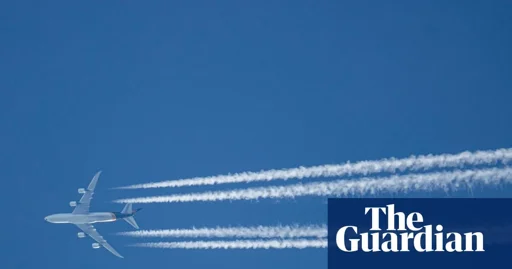
Sustainable aviation fuel doesn’t need to come from biomass feedstocks (even if those are by far the most popular). There are pathways for purely synthetic hydrocarbon production, but most sustainable fuel comes from organic sources (crops, organic waste, or fossil fuel sources). Even some of the synthetic methods tend to still get stuff like syngas from processing coal or natural gas.
Still, developing the processes and the scale to bring prices down is important, and can be built upon with an eye towards replacing the biofuel feedstocks with CO or CO2 feedstocks, and can still spur on demand for more renewable energy (without the risk of the return on investment collapsing).
Yes, but those synthetic fuels approaches are far more costly than fossil fuels. Currently around $45/gallon, might be able to do $15/gallon at greater scale and with technical improvements.
There will be far less air travel at those prices